

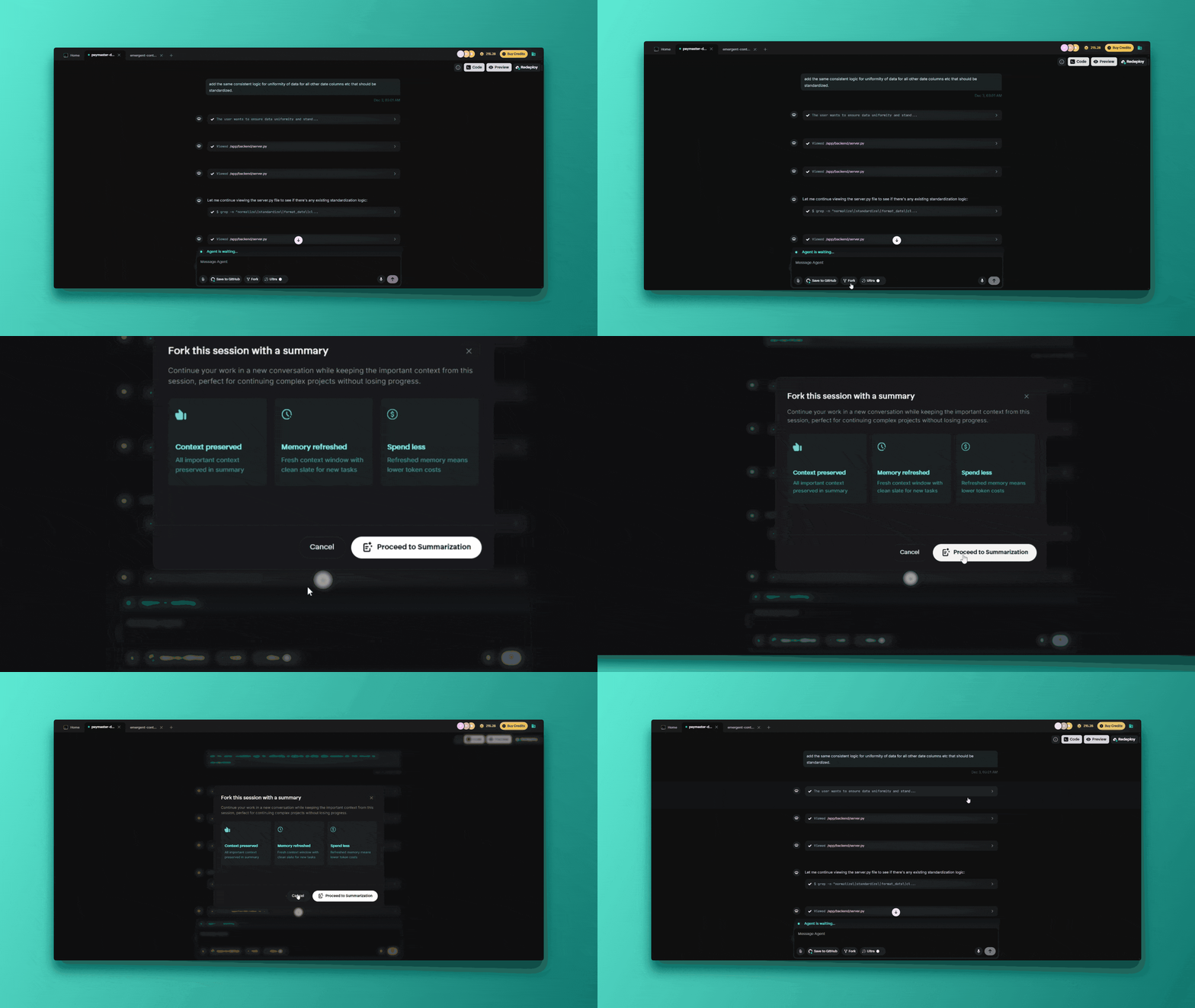
How Forking Manages Memory Context
The Core Problem
All AI agents have limited token context windows (like limited memory). Complex development sessions consume this through:- Detailed code discussions
- Multiple iterations and refinements
- Extensive debugging sessions
- Feature additions and modifications
Intelligent Context Preservation Strategy
What Gets Preserved:- Project goals and requirements
- Architectural decisions and reasoning
- Current codebase and file structure
- Key implementation details
- Recent changes and their context
- Outstanding tasks and planned features
- Important constraints and considerations
- Exact conversation history (replaced with intelligent summary)
- Detailed debugging logs (unless currently relevant)
- Exploratory discussions that didn’t impact final code
- Redundant or superseded information
Triggers for Forking
Automatic Forking Scenarios
- Context Limit Warning: System displays warnings as you approach the token limit
- Performance Degradation: Slower response times indicate context strain
Manual Forking Options (Strategic)
- Major Transitions: Fork when moving between major features or phases
- Experimentation: Fork to try different approaches while preserving main thread
- Organization: Fork to keep different development aspects separate
Pro Tip: Save your project to GitHub before you fork manually too!